There are deaths that silence a nation. And there are deaths that expose it. The killing of Michael Oyedokun was not merely another tragic headline buried beneath the noise of politics and the speed of social media outrage. It was the brutal execution of our collective conscience. A grim reminder that somewhere along the line, Nigeria has become dangerously familiar with blood, grief and the slow normalization of horror.
He was not a statistic.
Not a nameless casualty.
Not another anonymous victim to be reduced to numbers in security briefings and government press statements.
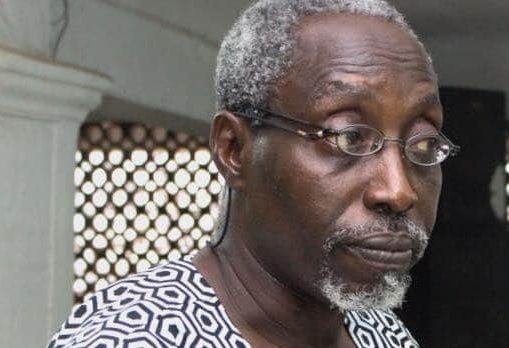
His name was Michael Oyedokun.
A school mathematics teacher.
A devout Christian.
A respected community leader.
A man whose life revolved around teaching young minds discipline, logic and purpose in classrooms, only to become the victim of a society steadily losing its moral direction. He spent his days solving equations for children and shaping futures, yet the nation failed woefully in solving the most sacred responsibility of governance — protecting human life.
I looked at the image once.
Then again.
And wished I had not.
Not because death itself is unfamiliar to Nigerians anymore. Sadly, tragedy now visits our national life with frightening regularity.
But because no decent human heart should ever become comfortable with such cruelty. No civilised society should normalise the sight of innocent blood. No nation should become emotionally adjusted to mutilation, kidnapping and the public desecration of human dignity.
Yet that is exactly where we now stand.
The image of Oyedokun did not merely reveal the savagery of those who killed him. It exposed something even more terrifying — the gradual numbness spreading across the soul of the nation. We are becoming a people permanently surrounded by grief yet increasingly uncertain how to respond beyond temporary outrage and ritual condolences.
Somewhere tonight, a family is still trying to comprehend the irreparable. A wife may still be staring at a silent doorway. Children he once taught may struggle to understand why the gentle teacher who corrected their arithmetic and encouraged their dreams could not survive the madness of armed men. Friends and neighbours who once exchanged greetings with him now carry the haunting burden of memory.
That is the cruelty of violent death.
It does not end with the victim. It travels quietly into homes, classrooms, communities and hearts. It leaves wounds no government statement can heal and no carefully arranged condolence visit can erase.
But beyond the horror inflicted by the killers lies another tragedy — the frightening normalisation of insecurity itself. The cycle has become painfully predictable. Innocent citizens are slaughtered. Authorities condemn the act. Committees are announced. Assurances are repeated. Then the nation moves on until another body appears on another roadside somewhere in another forgotten community.