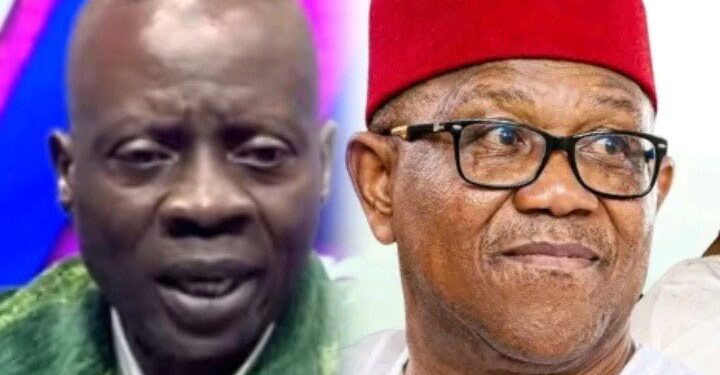
In a recent interview on TVC News, Adewale Adeoye, the Executive Director of Journalists for Democratic Rights (JODER), discussed the significance of political communication, public perception, and the influence of advisers in shaping the messages of political leaders as Nigeria approaches future elections.
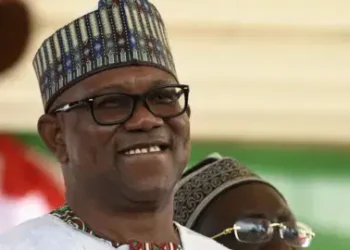
During the conversation, Adeoye remarked, “I don’t think Obi has time to watch television, so advisers need to guide him on what to say.”
This comment was made in relation to the communication strategies surrounding Peter Obi and the ways in which political figures navigate public statements in a sensitive media landscape.
He noted that contemporary politics heavily depends on advisers and communication teams to maintain consistent messaging and mitigate potential misunderstandings that can result from impulsive remarks or media interpretations. Effective political communication, according to Adeoye, is vital for upholding credibility and public trust.
He emphasized that the challenging political climate in Nigeria necessitates that leaders approach public interactions with intention, particularly when discussing national matters or reacting to contentious issues. He asserted that advisers are crucial in shaping leaders’ public perceptions.
Additionally, Adeoye highlighted the need for media literacy among political leaders, stressing the importance of understanding how their comments are interpreted across various platforms like television, social media, and traditional news media.
He pointed out that opposition figures such as Obi draw significant national attention, further underscoring the importance of strategic communication as political activities ramp up in anticipation of upcoming elections.
He concluded by urging political stakeholders to emphasize professionalism, strategic messaging, and responsible communication to enhance democratic discourse and alleviate unnecessary political tensions.