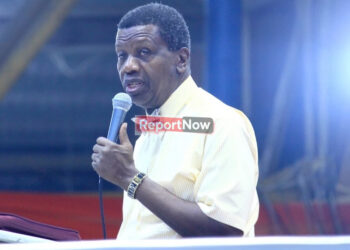
Nigerian hosts the largest number of Children out of School in the world With up to 20 million children out of school, Nigeria faces the worst education crisis globally. the Country Director PLAN International Dr Charles Usie made a remark at the Advocates gathered today for the Global Action Week on Education to warn that without urgent reforms, public education will remain broken for millions of children.
“Public education is where the majority of Nigerian children depend on,” the group said. “Yet it is the most neglected, underfunded, and unequal part of the system.”
The number of out-of-school children has nearly doubled in a decade — from 10.5 million to close to 20 million in 2024. Girls make up 60% of that number. Conflict, poverty, insecurity, early marriage, and poor menstrual hygiene keep children out of classrooms. But the deeper problem, advocates argue, is weak laws and poor implementation.
The 2004 Universal Basic Education Act promised free, compulsory education from primary to junior secondary. Two decades later, it remains largely unfulfilled. Funding sits at 2% of consolidated revenue, far below need. Many states fail to pay their 50% matching funds. The result: only 26% of children who finish junior secondary move to senior secondary.
“This is not just statistics,” they said. “It’s stolen dreams in cities, towns, and villages across Nigeria.”
*PLAN International Demend*
1. *Increase UBEC funding to 5%* of consolidated revenue. They backed Hon. Muktar Shagaya’s proposal to raise it from 2% to 4%, but said 5% is needed to match the scale of the crisis.
2. *Strengthen penalties* in the UBE Act. Fines should double, and parents who violate the law should face fines or community service, not just reprimands.
3. *Extend compulsory education to senior secondary and vocational schools* to ensure students gain skills for work and further study.
4. *Review the matching fund clause* to make it easier for states to access UBEC funds through a phased or grace period approach.
5. *Mandate menstrual hygiene stations* in schools, with dedicated budgets for products and dignity kits, to keep girls in school.
6. *Elevate education to a fundamental right* by moving Section 18 of the Constitution to Chapter IV, making it legally enforceable.
They called on the National Assembly, federal and state governments, development partners, and civil society to move beyond rhetoric.
“The education crisis needs reform, investment, accountability, and political will,” the statement read. “The future of millions of Nigerian children depends on what happens now.”