Mary Nnah
Dettol Nigeria and the Wellbeing Foundation Africa have officially flagged off Phase 3 of the Dettol Hygiene Quest initiative in Lagos, with plans to reach more than 800,000 students and mothers across Nigeria in 2026.
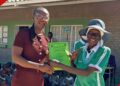
The launch took place at Eko Akete Junior Secondary School, Lagos Island, recently, where students joined interactive handwashing demonstrations and hygiene education sessions, and received Dettol antibacterial soaps and learning materials to promote healthy habits at home and in school.
The Clean Naija Initiative, which drives the Dettol Hygiene Quest programme, is working to reach 6 million schoolchildren by 2030 while raising handwashing rates by 20 percent, reducing diarrhoea cases by 10 percent, and reducing school absenteeism linked to hygiene-related illnesses.
Speaking at the event, Toluwase Abikoye, Brand Manager for Dettol, who represented Cassandra Uzo-Ogbugh, Head of External Affairs, Media, and Partnerships, said when children learn healthy habits early, those habits create lasting impact far beyond the classroom.
She noted that a third-party evaluation of Phase 2 recorded declines in reported communicable disease symptoms among students of 9.3 percent in Abuja, 12.3 percent in Lagos, and 15.7 percent in Kwara, with corresponding drops in school absenteeism linked to illness.
She added that the partnership with the Wellbeing Foundation Africa has shown measurable progress and that Phase 3 will empower even more children and families with the knowledge to lead healthier lives.
Representing WBFA President, Princess Toyin Ojora Saraki, Dr. Osinachi Onyeoziri, Director of Programming and Reporting, said the future of Nigeria depends on children and their ability to grow into responsible leaders, but that staying healthy matters for that to happen.
She stressed that healthy children learn better, thrive better, and build stronger futures, which continues to guide the Foundation’s work on health, education, and hygiene outcomes for children, women, and families.
As the flag-off ended, students left with practical hygiene knowledge and renewed confidence to champion healthy habits in their schools, homes, and communities, reinforcing the programme’s aim of raising a generation of hygiene-conscious Nigerians.
Since it began, the initiative has reached more than 440,000 beneficiaries in 716 schools, 36 healthcare facilities, and 456 communities nationwide, using lessons on handwashing, cleanliness, and healthy living to build lifelong habits among children, mothers, and families.
Phase 3 will expand into new communities where hygiene education is most needed, targeting over 750,000 students and 90,000 pregnant and new mothers through behavior-change programs across schools, communities, and healthcare centers.
The programme will continue to emphasize proper handwashing and the daily use of trusted solutions like Dettol Original Antibacterial Bar Soap, which the brand says reinforces the skin’s natural germ-fighting ability for up to 12 hours.