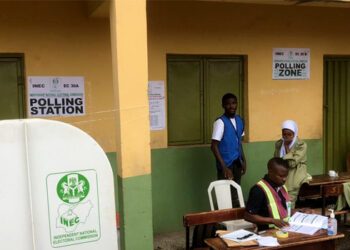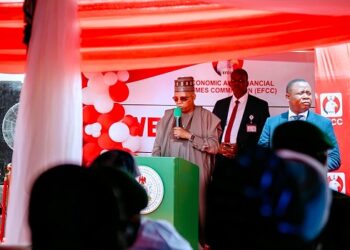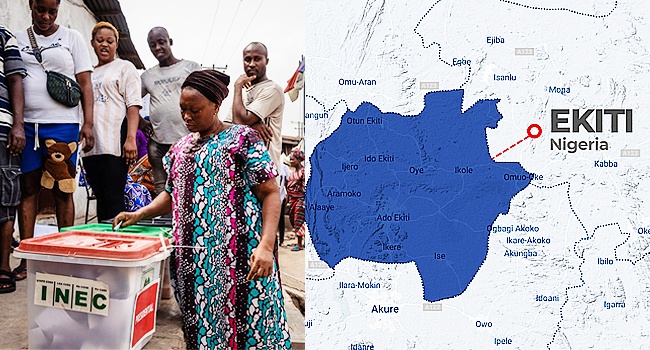
As Ekiti State heads into the June 20, 2026 governorship election, the debate is no longer just about political parties or personalities.
Across markets in Ado-Ekiti, farms in the rural communities, university campuses and town halls, conversations have increasingly centred on a handful of issues that could ultimately determine who occupies Government House for the next four years.
Will voters reward incumbent Governor Biodun Oyebanji with a second term? Will growing concerns about insecurity and economic hardship trigger a desire for change? Or will the long-running agitation for power rotation to Ekiti South reshape the state’s political landscape?
READ ALSO: INEC Meets With Parties, Defends Decision To Appeal Court Ruling On Primary Deadlines
With more than one million registered voters spread across 16 local government areas, the election is shaping up as one of the most significant political contests in the state’s history.
Thirteen political parties have been cleared by the Independent National Electoral Commission (INEC). They include All Progressive Congress (APC), Accord Party, African Action Congress (AAC), African Democratic Congress (ADC), Action Democratic Party(ADP), Action Peoples Party (APP), Allied Peoples Movement (APM), Labour Party (LP), New Nigeria Peoples Party (NNPP), Peoples Democratic Party (PDP), Peoples Redemption Party (PRP), Young Progressives Party (YPP) and Zenith Labour Party (ZLP).
However, analysts broadly agree that the contest is likely to revolve around three major contenders — incumbent Governor Biodun Oyebanji of the APC, Dr. Wole Oluyede of the PDP and Dare Bejide of the ADC.
The incumbent governor is seeking a second term under the APC platform. A former Secretary to the State Government and long-time public administrator, Oyebanji has built a formidable political structure supported by major APC stakeholders across the state.