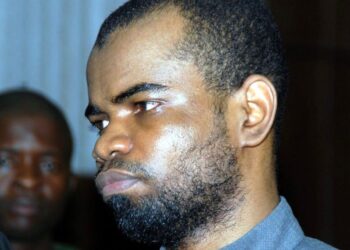
…Patience Jonathan, Ijaw leaders, power brokers dim chances of comeback
…Aljazirah Octopus boasts 98% prediction accuracy so far
- …As Nigerians await turnout of events
Despite mounting calls for his return, emerging political realities, regional calculations, elite alignments and the prediction of Aljazirah Octopus strongly suggest former President Goodluck Ebele Jonathan may stay out of the 2027 presidential race, JIBRIN NDANUSA writes.
As political permutations ahead of the 2027 general elections continue to gather momentum, Aljazirah Octopus renowned for its near-perfect record in predicting both domestic and international elections has projected that former President Goodluck Ebele Jonathan will not contest the 2027 presidential election, despite mounting pressure from loyalists and political groups across the country.
Although the former Nigerian leader has remained characteristically silent on the matter, several political realities, regional calculations and elite alignments appear to weigh heavily against any serious comeback bid.
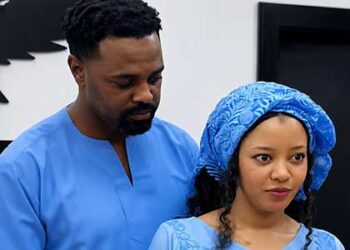
Foremost among these is Jonathans warm relationship with President Bola Ahmed Tinubu, a factor many political observers believe makes a direct electoral confrontation unlikely. Beyond the cordial rapport between the two leaders, former First Lady Patience Jonathan has repeatedly made public declarations of support and friendship towards First Lady Oluremi Tinubu.
On several occasions, Patience Jonathan openly stated that she would continue campaigning alongside the Presidents wife remarks widely interpreted as signals of political alignment rather than opposition.
Analysts argue that such a relationship would make it politically awkward for Jonathan to emerge as the principal challenger to Tinubu in 2027.
Another major consideration is the growing sentiment surrounding equity and regional balancing in southern Nigeria. Since Jonathan, an indigene of Bayelsa State in the South-South, had already occupied the presidency, many southern voters now believe the South-East should be given an opportunity to produce the nations next president.
This argument has gained further traction with the rising political influence of Peter Obi, whose popularity across the South and among young Nigerians remains significant.
Many political stakeholders argue that the South-East strongly supported Jonathan during his presidency and that any attempt by him to re-enter the race could fragment southern votes and weaken the broader agitation for an Igbo presidency.
Political analysts further contend that a Jonathan candidacy could inadvertently deepen divisions within the southern bloc at a time when northern political forces are expected to remain strategic and united ahead of 2027.
Within the Ijaw nation itself, opinions over Jonathans possible return remain sharply divided. While many Ijaw groups and advocacy organisations view him as an experienced statesman capable of addressing Nigerias worsening economic hardship and insecurity, other influential political leaders within the ethnic nationality are urging caution.
For instance, the Ijaw Youth Council (IYC) has openly warned Jonathan to be wary of those urging him to contest the 2027 presidency. Speaking during an interview with a national daily recently, the IYC President, Jonathan Lokpobiri, expressed doubts over the former presidents chances, noting that while the group remains proud of Jonathans global reputation, another presidential contest may not favour him politically.
He stated: Well, that is simply more of a personal lifetime decision of an individual. If he chooses to run, our primary aim is to stand with our own. We are likely to support him, but the question is: what chances does he have?
And considering the nature of Nigerian politics, especially the northern political establishment which turned against him even when he was President and Commander-in-Chief, I would rather feel that some people may be deceiving him into this ambition.
At this moment, we are more concerned about his global reputation and profile than another opportunity to serve. Even his wife appears reluctant about the growing calls for his return.
Similarly, prominent Niger Delta leader Government Ekpemupolo has reportedly advised Jonathan against joining the 2027 race. The former militant commander, who visited Jonathan in Otuoke late last year, was said to have maintained that the prevailing political mood may not favour such an ambition.
These leaders insist that Jonathans stature as an elder statesman and international diplomat could be diminished if he becomes entangled in another bitter presidential contest.
Indeed, since leaving office in 2015, Jonathan has steadily built a global reputation as a peace ambassador and democratic statesman. Through election observer missions and conflict-resolution initiatives across Africa, he has earned considerable international respect a legacy many believe he may be unwilling to jeopardise through a bruising political comeback.
There are also lingering constitutional and legal debates surrounding his eligibility to contest again, despite differing interpretations of the law by constitutional experts. While some supporters insist he remains qualified, others argue that prolonged legal disputes could distract from his campaign and generate unnecessary political uncertainty.
Perhaps even more telling is the apparent absence of support from some of Nigerias most influential political power brokers and elder statesmen.
Former military president Ibrahim Badamasi Babangida, former President Olusegun Obasanjo and former Head of State Abdulsalami Abubakar remain highly influential voices within Nigerias political establishment. Observers note that none of them has publicly endorsed any Jonathan return bid, with many arguing that their silence may itself be significant.
The emerging political climate also suggests that many influential northern stakeholders may prefer an alternative power arrangement rather than support another southern presidency immediately after Tinubus tenure.
With the opposition still fragmented and major political parties undergoing internal recalibration, some analysts believe Jonathans name is merely being floated as part of broader bargaining and negotiation strategies ahead of 2027.
For now, the former president continues to maintain strategic silence, neither declaring interest nor directly rejecting calls for his return.
On Thursday, May 7, he had recalled that he was still consulting whether or not to join the 2027 Presidential race. He this when a group of young persons under the auspices of Coalition for Jonathan 2027, visited him in his office in Abuja.
He noted Nigerias persistently low voter turnout despite its huge voting population and urged young people especially to obtain their voter cards and get fully involved in politics. While acknowledging the loud calls for him to run again, the ex-president stopped short of an immediate declaration but left the door wide open. Ive heard you and I will consult widely, he said, in what many interpret as his strongest indication yet of possible interest in the 2027 contest.
However, based on Aljazirah Octopus prediction model which boasts an impressive 98 per cent accuracy record all indications point to one conclusion: former President Goodluck Jonathan is unlikely to contest the 2027 presidential election, despite the growing clamour for his comeback.