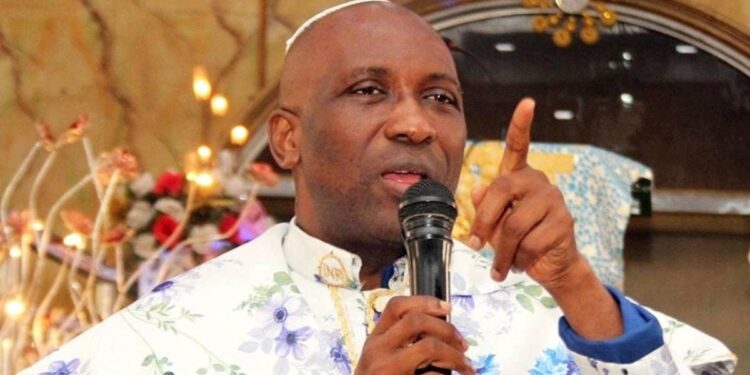
Popular cleric and leader of the INRI Evangelical Spiritual Church, Primate Elijah Ayodele, has called on the government to take urgent steps to strengthen security in Lagos State, warning that criminal elements could exploit the activities of certain groups operating within the metropolis.
According to the cleric, security agencies should pay closer attention to people pretending to be mentally ill, stressing that some of them may constitute security threats if left unchecked.
“Pack all people who pretend to be mad people. Government should take them off the streets because some of them are not what they claim to be,” he said.
Primate Ayodele also renewed his call for stricter regulations on commercial motorcycle operations, popularly known as Okada, in Lagos State.
He maintained that the government should consider banning Okada operations in more parts of the state as part of broader efforts to address security concerns.
“Government should have a task force now. Ban Okada in Lagos State. If proper action is not taken, there could be serious security challenges in the future,” the cleric warned.
The outspoken religious leader noted that proactive measures were necessary to prevent potential threats and ensure the continued safety of residents and businesses in Nigeria’s commercial capital.
His remarks have sparked conversations among residents, with some supporting the call for tighter security measures, while others argue that any action taken by the government should balance security concerns with the economic realities faced by thousands of people who depend on commercial motorcycle transportation for their livelihoods.
Lagos State has in recent years implemented restrictions on commercial motorcycle operations in several local government areas and major highways, citing safety and security concerns. The measures have generated mixed reactions from residents and transport operators.
Primate Ayodele, known for his frequent prophecies and comments on national issues, emphasized that security should remain a top priority for authorities.
He urged the government not to wait until a crisis occurs before taking preventive action, insisting that early intervention remains the best approach to safeguarding lives and property in the state.