For much of the past three decades, India’s labour market has been defined by a familiar aspiration. Parents wanted engineers, managers, software developers, consultants, and government officers. Policymakers celebrated rising university enrolment. Young people were encouraged to leave manual trades behind in pursuit of white-collar mobility.
The assumption seemed self-evident. Economic development would gradually reduce the importance of blue-collar work while increasing demand for degrees, professional services, and knowledge-based occupations.
Advertisement – Scroll to continue
Around the world, that assumption is beginning to break down.
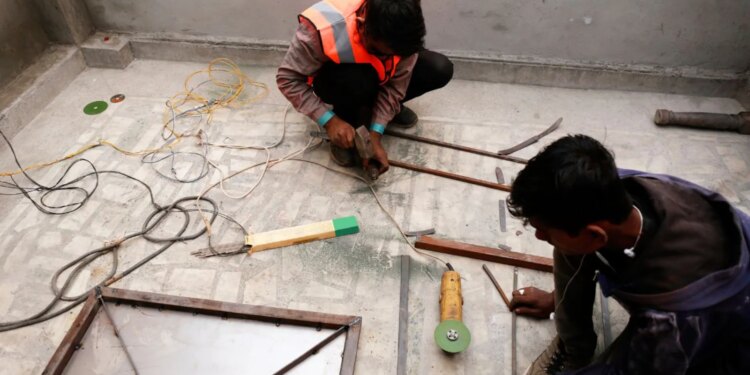
Across advanced economies, ageing populations, shrinking workforces, and collapsing birth rates are creating labour shortages not primarily in finance, consulting, or software, but in occupations that require physical presence. Electricians, welders, plumbers, construction workers, machine operators, technicians, caregivers, and logistics workers have become some of the most sought-after employees in the global economy.
The consequences of this shift are only beginning to be understood. For India, they could be profound.
A Global Shortage
The OECD (Organisation for Economic Co-operation and Development) estimates that the working-age population across member countries will decline by 8% by 2060. During the same period, annual public spending on pensions and healthcare is expected to rise by roughly 3% of GDP. The old-age dependency ratio has already climbed from 19% in 1980 to 31% today and is projected to reach 52% by 2060.
These demographic shifts are no longer abstract forecasts. They are already appearing in labour markets. Over one-third of construction companies in Germany say they have unfilled vacancies. Lack of electricians, carpenters, masons and infrastructure workers is growing. In the UK, almost 45% of construction jobs are tied to skills shortages, and industry estimates indicate that over 239,000 more workers will be required over the next five years. More than one-third of Britain’s construction industry is due to retire by 2035.
The pressures are the same in the United States. Manufacturing job openings have surged, construction openings are still high, and industry groups estimate there will be a shortage of 5,50,000 plumbers in the country by 2027. In the next 10 years, almost one-third of union electricians will be eligible for retirement.
This is a pattern that is repeated throughout much of the developed world.
Policymakers have long believed that technology would be the primary driver of the reduction of manual labour. Rather, AI seems to be taking over parts of white-collar jobs, while many skilled trades remain somewhat safe. Electricians, welders and technicians are among the most “AI-proof” jobs in the economy, according to CNBC.
This is starting to be reflected in the labour market. Eighty-five per cent of companies in predominantly blue-collar industries say they have recruitment problems, compared with 64% in predominantly white-collar industries, according to research. Construction and manufacturing jobs have seen wage growth that has been higher than that in many professional jobs. More Americans now see a better economic return in a trade skill than in a traditional college education.
There are fewer tradespeople in the world and more and more people with degrees.
India’s Advantage
On the surface, India looks like a country with a special opportunity to gain.
The country is still one of the few countries with a significant demographic dividend. India’s median age is still less than 30, while China’s is almost 40 and Japan’s is almost 50. It is estimated that India will contribute almost 25% of the incremental workforce to the world in the coming decade.
This demographic advantage is already attracting international attention. In 2023, OECD countries granted over 2.4 million temporary work permits. Germany has opened up avenues for foreign skilled workers. The EU has amended migration policies to recruit workers. Managed migration is a growing concept in international organisations as a solution to demographic decline.
India is becoming one of the most obvious suppliers. The ministers of Germany have visited vocational institutions in India. Indian tradespeople continue to be recruited in large numbers by the Gulf countries. The UAE and other countries in the Gulf have seen a steady demand for electricians, technicians, plumbers, construction workers and machine operators in India.
The economic motivation is hard to miss. In rural India, a construction worker can make about $130 to $160 a month, but in the Gulf, his earnings can be four to six times that.
Migration is a rational economic mobility for millions of households.
But in India, it’s a different story.
A Domestic Contradiction
India is facing the double challenge of unemployment among graduates and a lack of skilled vocational labour.
The latest PLFS estimates show that the unemployment rate among graduates is more than three times the national average, at 11%. However, employers in manufacturing, logistics, construction and infrastructure continue to complain about a lack of skilled workers.
This is an indication of a greater gap between the education goals of the country and the job market.
India has been investing in degrees for decades, but not in vocational training, apprenticeships and technical trades. Despite a growing demand for other jobs, social status continues to be concentrated in white-collar positions.
The result is a paradox.
An economy that is having trouble finding jobs for graduates could also have trouble keeping electricians, welders, machine operators and construction technicians.
This matters because India’s growth ambitions remain intensely physical. Highways, rail corridors, renewable-energy projects, semiconductor facilities, industrial corridors, housing programmes, and logistics infrastructure all require skilled tradespeople. Manufacturing expansion under Make in India depends not merely on capital and technology, but on the availability of workers capable of operating, maintaining, and building industrial systems. Industry estimates suggest that roughly 70% of the 90 million jobs expected to emerge in India by 2030 will fall within blue-collar categories.
Yet many of the workers needed to fill those jobs are increasingly being recruited abroad.
That should force a reconsideration of how labour shortages are understood. For years, discussions of brain drain focused almost exclusively on doctors, engineers, researchers, and software professionals. The emerging challenge may look very different. The next great labour drain could involve electricians rather than engineers, welders rather than coders, and technicians rather than consultants.
The irony is striking. Just as the developed world begins to rediscover the economic value of skilled manual work, India continues to treat much of that work as a second-choice career path.
Demography has handed India a remarkable opportunity. But demographic advantage alone does not guarantee developmental success.
The countries that emerge strongest from the coming labour transition may not be those producing the most graduates. They may be those that learn, sooner than others, that the future of work still depends on people who can build, repair, install, operate, and maintain the physical foundations of modern economies.
(With inputs from Sonakshi Garg, a research analyst with CNES)
(Deepanshu Mohan is Professor of Economics and Dean, O.P. Jindal Global University. He is a Visiting Professor, London School of Economics and a Visiting Research Fellow at the University of Oxford. Ankur Singh is a Senior Research Assistant with Centre for New Economics Studies (CNES), O.P. Jindal Global University.)
Disclaimer: These are the personal opinions of the author
For much of the past three decades, India’s labour market has been defined by a familiar aspiration. Parents wanted engineers, managers, software developers, consultants, and government officers. Policymakers celebrated rising university enrolment. Young people were encouraged to leave manual trades behind in pursuit of white-collar mobility.
The assumption seemed self-evident. Economic development would gradually reduce the importance of blue-collar work while increasing demand for degrees, professional services, and knowledge-based occupations.
Advertisement – Scroll to continue
Around the world, that assumption is beginning to break down.
Across advanced economies, ageing populations, shrinking workforces, and collapsing birth rates are creating labour shortages not primarily in finance, consulting, or software, but in occupations that require physical presence. Electricians, welders, plumbers, construction workers, machine operators, technicians, caregivers, and logistics workers have become some of the most sought-after employees in the global economy.
The consequences of this shift are only beginning to be understood. For India, they could be profound.
A Global Shortage
The OECD (Organisation for Economic Co-operation and Development) estimates that the working-age population across member countries will decline by 8% by 2060. During the same period, annual public spending on pensions and healthcare is expected to rise by roughly 3% of GDP. The old-age dependency ratio has already climbed from 19% in 1980 to 31% today and is projected to reach 52% by 2060.
These demographic shifts are no longer abstract forecasts. They are already appearing in labour markets. Over one-third of construction companies in Germany say they have unfilled vacancies. Lack of electricians, carpenters, masons and infrastructure workers is growing. In the UK, almost 45% of construction jobs are tied to skills shortages, and industry estimates indicate that over 239,000 more workers will be required over the next five years. More than one-third of Britain’s construction industry is due to retire by 2035.
The pressures are the same in the United States. Manufacturing job openings have surged, construction openings are still high, and industry groups estimate there will be a shortage of 5,50,000 plumbers in the country by 2027. In the next 10 years, almost one-third of union electricians will be eligible for retirement.
This is a pattern that is repeated throughout much of the developed world.
Policymakers have long believed that technology would be the primary driver of the reduction of manual labour. Rather, AI seems to be taking over parts of white-collar jobs, while many skilled trades remain somewhat safe. Electricians, welders and technicians are among the most “AI-proof” jobs in the economy, according to CNBC.
This is starting to be reflected in the labour market. Eighty-five per cent of companies in predominantly blue-collar industries say they have recruitment problems, compared with 64% in predominantly white-collar industries, according to research. Construction and manufacturing jobs have seen wage growth that has been higher than that in many professional jobs. More Americans now see a better economic return in a trade skill than in a traditional college education.
There are fewer tradespeople in the world and more and more people with degrees.
India’s Advantage
On the surface, India looks like a country with a special opportunity to gain.
The country is still one of the few countries with a significant demographic dividend. India’s median age is still less than 30, while China’s is almost 40 and Japan’s is almost 50. It is estimated that India will contribute almost 25% of the incremental workforce to the world in the coming decade.
This demographic advantage is already attracting international attention. In 2023, OECD countries granted over 2.4 million temporary work permits. Germany has opened up avenues for foreign skilled workers. The EU has amended migration policies to recruit workers. Managed migration is a growing concept in international organisations as a solution to demographic decline.
India is becoming one of the most obvious suppliers. The ministers of Germany have visited vocational institutions in India. Indian tradespeople continue to be recruited in large numbers by the Gulf countries. The UAE and other countries in the Gulf have seen a steady demand for electricians, technicians, plumbers, construction workers and machine operators in India.
The economic motivation is hard to miss. In rural India, a construction worker can make about $130 to $160 a month, but in the Gulf, his earnings can be four to six times that.
Migration is a rational economic mobility for millions of households.
But in India, it’s a different story.
A Domestic Contradiction
India is facing the double challenge of unemployment among graduates and a lack of skilled vocational labour.
The latest PLFS estimates show that the unemployment rate among graduates is more than three times the national average, at 11%. However, employers in manufacturing, logistics, construction and infrastructure continue to complain about a lack of skilled workers.
This is an indication of a greater gap between the education goals of the country and the job market.
India has been investing in degrees for decades, but not in vocational training, apprenticeships and technical trades. Despite a growing demand for other jobs, social status continues to be concentrated in white-collar positions.
The result is a paradox.
An economy that is having trouble finding jobs for graduates could also have trouble keeping electricians, welders, machine operators and construction technicians.
This matters because India’s growth ambitions remain intensely physical. Highways, rail corridors, renewable-energy projects, semiconductor facilities, industrial corridors, housing programmes, and logistics infrastructure all require skilled tradespeople. Manufacturing expansion under Make in India depends not merely on capital and technology, but on the availability of workers capable of operating, maintaining, and building industrial systems. Industry estimates suggest that roughly 70% of the 90 million jobs expected to emerge in India by 2030 will fall within blue-collar categories.
Yet many of the workers needed to fill those jobs are increasingly being recruited abroad.
That should force a reconsideration of how labour shortages are understood. For years, discussions of brain drain focused almost exclusively on doctors, engineers, researchers, and software professionals. The emerging challenge may look very different. The next great labour drain could involve electricians rather than engineers, welders rather than coders, and technicians rather than consultants.
The irony is striking. Just as the developed world begins to rediscover the economic value of skilled manual work, India continues to treat much of that work as a second-choice career path.
Demography has handed India a remarkable opportunity. But demographic advantage alone does not guarantee developmental success.
The countries that emerge strongest from the coming labour transition may not be those producing the most graduates. They may be those that learn, sooner than others, that the future of work still depends on people who can build, repair, install, operate, and maintain the physical foundations of modern economies.
(With inputs from Sonakshi Garg, a research analyst with CNES)
(Deepanshu Mohan is Professor of Economics and Dean, O.P. Jindal Global University. He is a Visiting Professor, London School of Economics and a Visiting Research Fellow at the University of Oxford. Ankur Singh is a Senior Research Assistant with Centre for New Economics Studies (CNES), O.P. Jindal Global University.)
Disclaimer: These are the personal opinions of the author