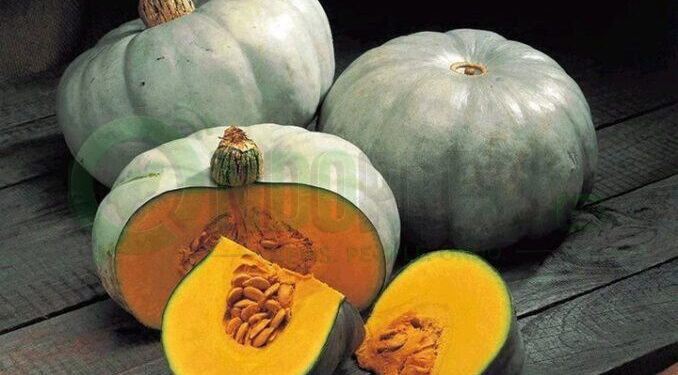
Pumpkin is one of those everyday foods that many people know, but don’t fully appreciate. It looks simple, but inside it carries a lot of health value. It’s affordable, easy to cook, and can fit into many different meals without much effort.
One of the main benefits of pumpkin is that it supports good eyesight. It is rich in vitamin A, which helps protect your eyes and keeps your vision strong.
People who eat pumpkin regularly may lower their chances of night vision problems as they age.
It also has vitamin C, which helps the body stay strong and fight off common infections like colds.
Pumpkin is also very friendly to your stomach. It contains fiber, which helps food move smoothly through the digestive system.
This can reduce constipation and make you feel lighter after meals. When your digestion is working well, your whole body tends to feel better and more active.
If you are trying to maintain or lose weight, pumpkin can be a smart choice. It is low in calories but still filling, so you don’t feel hungry quickly after eating it. This makes it easier to control overeating without feeling like you are starving yourself.
The seeds of pumpkin are just as powerful as the fruit itself. They contain healthy fats, minerals like magnesium and zinc, and other nutrients that support the body.
They are often linked to better heart health, improved sleep, and steady energy levels throughout the day.
Some people also use pumpkin seeds to support prostate health in men and help balance blood sugar levels. While it is not a cure for diseases, it can support overall wellness when eaten regularly as part of a balanced diet.
Beyond health, pumpkin is very flexible in the kitchen. You can boil it, roast it, or turn it into soup or porridge. The seeds can be roasted for a simple snack, and even the oil from the seeds is sometimes used in skincare and traditional remedies.
In simple terms, pumpkin is not just food—it is a natural boost for your health when used regularly and wisely.