Please Kindly Pay Attention: If you’re reading on PHOENIX, please click the “Read Original” button at the top right to view the full article.
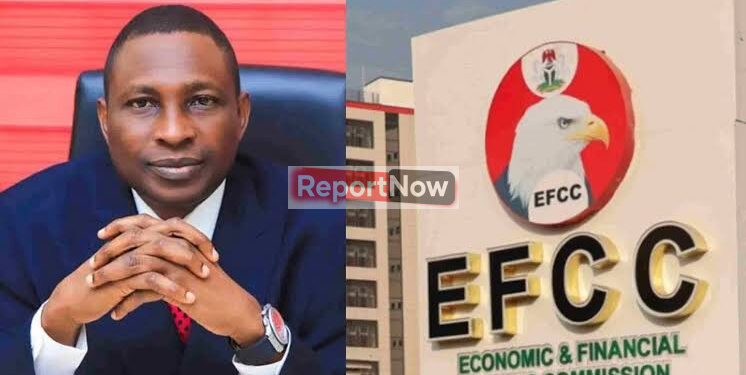
The Chairman of the Economic and Financial Crimes Commission (EFCC), Ola Olukoyede, has raised fresh concerns over the rising cost of politics in Nigeria, revealing that some governorship aspirants allegedly spend between N20 billion and N30 billion while trying to secure their party tickets.
Olukoyede made the revelation on Wednesday during a public lecture at the University of Ilorin, Kwara State, as part of discussions focused on preparations for the 2027 general elections.
The EFCC boss warned that the increasing financial demands associated with political contests could pose a major threat to Nigeria’s democratic system.
According to him, when politicians spend huge amounts of money to emerge as candidates or win elections, there is a risk that some may later focus on recovering their investments instead of prioritising public service.
He explained that the commercialisation of elections weakens governance by affecting the quality of leadership selection.
Olukoyede said leaders who rely heavily on financial influence to gain power may be more interested in recouping election expenses rather than delivering for citizens.
He stated that the EFCC would continue its efforts to tackle vote buying, illegal campaign financing, and other forms of financial manipulation capable of affecting election outcomes.
The anti-corruption agency chairman revealed that several arrests have already been made across the country over alleged electoral offences involving politicians, election officials, and other individuals accused of breaking electoral laws.
He insisted that nobody would be protected in the fight against electoral corruption, warning that failure to punish offenders could damage Nigeria’s democratic progress.
Ahead of the 2027 elections, Olukoyede disclosed that the EFCC plans to expand its monitoring operations by introducing more technology, including drones, to identify suspicious activities and possible vote-buying attempts around polling areas.
He called on political parties and supporters to focus on campaigns centred on policies and solutions rather than statements capable of creating tension or violence.
The EFCC chairman also urged INEC, security agencies, civil society groups, the media, and other stakeholders to collaborate in ensuring a peaceful and credible election process.
Speaking at the event, University of Ilorin Vice-Chancellor, Professor Wahab Egbewole (SAN), described electoral corruption as one of the biggest obstacles facing the country, stressing that credible elections are important for national development and public trust.
The Director of the Centre for Peace and Strategic Studies, Professor G.A. Animasawun, added that the lecture was designed to encourage early conversations about possible threats ahead of the 2027 elections.
The event brought together academics, security officials, electoral stakeholders, civil society representatives, and students to discuss ways of protecting Nigeria’s democratic future.
Please Kindly Pay Attention: If you’re reading on PHOENIX, please click the “Read Original” button at the top right to view the full article.
The Chairman of the Economic and Financial Crimes Commission (EFCC), Ola Olukoyede, has raised fresh concerns over the rising cost of politics in Nigeria, revealing that some governorship aspirants allegedly spend between N20 billion and N30 billion while trying to secure their party tickets.
Olukoyede made the revelation on Wednesday during a public lecture at the University of Ilorin, Kwara State, as part of discussions focused on preparations for the 2027 general elections.
The EFCC boss warned that the increasing financial demands associated with political contests could pose a major threat to Nigeria’s democratic system.
According to him, when politicians spend huge amounts of money to emerge as candidates or win elections, there is a risk that some may later focus on recovering their investments instead of prioritising public service.
He explained that the commercialisation of elections weakens governance by affecting the quality of leadership selection.
Olukoyede said leaders who rely heavily on financial influence to gain power may be more interested in recouping election expenses rather than delivering for citizens.
He stated that the EFCC would continue its efforts to tackle vote buying, illegal campaign financing, and other forms of financial manipulation capable of affecting election outcomes.
The anti-corruption agency chairman revealed that several arrests have already been made across the country over alleged electoral offences involving politicians, election officials, and other individuals accused of breaking electoral laws.
He insisted that nobody would be protected in the fight against electoral corruption, warning that failure to punish offenders could damage Nigeria’s democratic progress.
Ahead of the 2027 elections, Olukoyede disclosed that the EFCC plans to expand its monitoring operations by introducing more technology, including drones, to identify suspicious activities and possible vote-buying attempts around polling areas.
He called on political parties and supporters to focus on campaigns centred on policies and solutions rather than statements capable of creating tension or violence.
The EFCC chairman also urged INEC, security agencies, civil society groups, the media, and other stakeholders to collaborate in ensuring a peaceful and credible election process.
Speaking at the event, University of Ilorin Vice-Chancellor, Professor Wahab Egbewole (SAN), described electoral corruption as one of the biggest obstacles facing the country, stressing that credible elections are important for national development and public trust.
The Director of the Centre for Peace and Strategic Studies, Professor G.A. Animasawun, added that the lecture was designed to encourage early conversations about possible threats ahead of the 2027 elections.
The event brought together academics, security officials, electoral stakeholders, civil society representatives, and students to discuss ways of protecting Nigeria’s democratic future.